A burner email is a temporary, disposable email address used for a specific purpose and then discarded. It acts as a crucial shield between your primary personal or professional inbox and the vast, often risky, corners of the internet. By using a burner, you drastically reduce spam, protect your identity from data breaches, and maintain control over your digital footprint. It’s a simple, powerful tool for anyone looking to navigate the web with greater privacy and security.
Key Takeaways
- Privacy Protection: Burner emails prevent websites and services from linking your online activity directly to your real identity or primary email address.
- Spam Defense: They are the first line of defense against promotional clutter and phishing attempts, keeping your main inbox clean and secure.
- Security Buffer: If a service using your burner email is hacked, your critical accounts (banking, main social media) remain unaffected and unlinked.
- Account Management: They allow you to create multiple, isolated accounts for different projects, forums, or trials without cross-contamination.
- Data Minimization: Using burner emails is a core practice of data hygiene, limiting the personal information you willingly scatter across the web.
- Cost-Effective: Many reputable burner email services are free, offering a no-cost security upgrade for everyday internet users.
- Easy & Temporary: They require no long-term commitment and can be instantly created and discarded, making them perfect for one-off interactions.
📑 Table of Contents
- Your Inbox is a Target. Here’s Your Shield.
- Reason 1: The Ultimate Privacy Shield
- Reason 2: Slay the Spam Dragon Before It Breaches Your Castle
- Reason 3: A Critical Security Layer Against Data Breaches
- Reason 4: Streamline Account Management & Digital Organization
- Reason 5: Embrace Data Minimization—The Privacy Golden Rule
- Choosing and Using a Burner Email Service Wisely
- Conclusion: Building Your Habit of Digital Self-Defense
Your Inbox is a Target. Here’s Your Shield.
Think about your primary email address. It’s the key to your social media, your online banking, your shopping accounts, your cloud storage. It’s connected to everything. Now, think about the last time you signed up for something online—a new app, a free webinar, a discount code from a blog. Did you use that same, all-important primary email? If you did, you’re not alone. Most of us do. But every time we do, we’re handing over a piece of our digital identity to a new entity, often with vague privacy policies and uncertain security practices. What if that new, sketchy-looking coupon site gets hacked? What if that forum you joined once starts selling your email to marketers? Suddenly, your key is in the hands of people you don’t trust. This is where the humble burner email transforms from a tech-savvy trick into your essential online safety net. It’s not about hiding anything illegal; it’s about smart, proactive self-defense in a world where your data is a commodity.
In this guide, we’ll break down exactly why adopting a burner email strategy is one of the easiest, most effective things you can do to take back control of your online life. We’ll move beyond the jargon and look at the practical, everyday reasons this tool should be in your digital toolkit.
Reason 1: The Ultimate Privacy Shield
Every time you enter your email on a website, you’re creating a data point. That data point can be—and often is—used to build a profile about you. Advertisers buy these profiles to target you. Data brokers compile them to sell to others. Even well-intentioned companies might have data leaks. A burner email acts as a proxy, a stand-in for your real identity. It absorbs the tracking and profiling meant for you, but since it’s not tied to your name, phone number, or other accounts, that profile is essentially anonymous and useless for linking back to the real you.
Visual guide about 5 Reasons Burner Email Is Your Essential Online Safety Net
Image source: brighstoneprimary.org.uk
How It Works: The Art of Digital Disguise
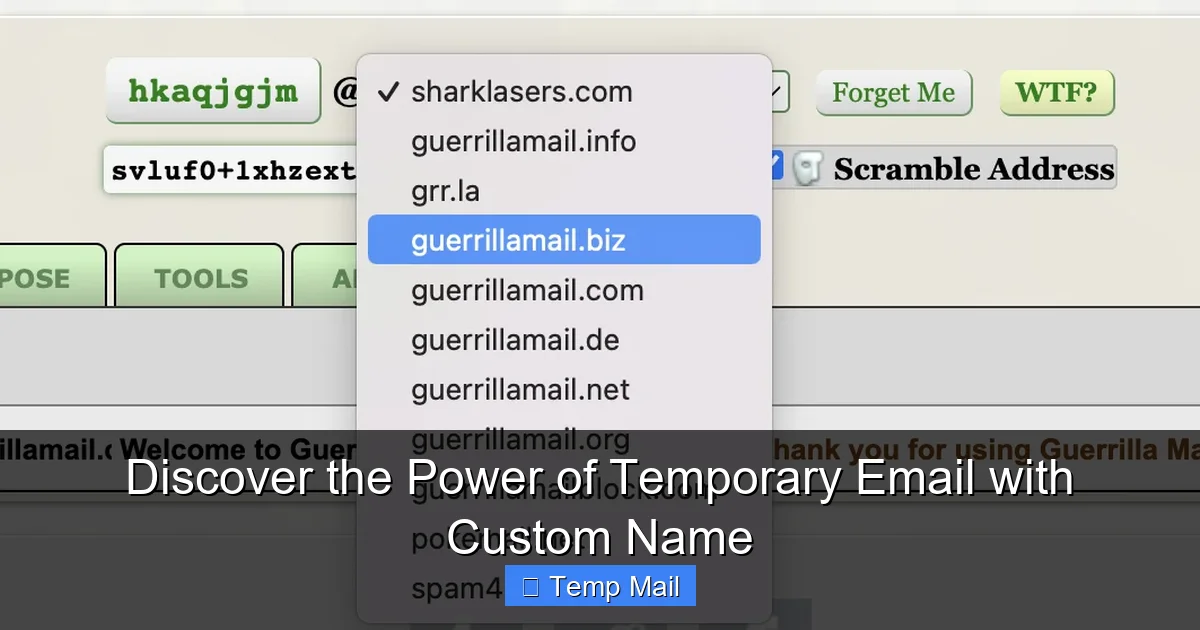
When you use a burner email from a service like Temp-Mail, Guerrilla Mail, or 10MinuteMail, you’re generating an address that exists in a vacuum. It has no connection to your Google account, your Apple ID, or your ISP-provided address. Websites see the burner email and log that. They may send you emails, but those emails go to a public, shared inbox that you access via a simple web interface, often without any login. Once you close that browser tab or the temporary inbox expires, that thread is gone. There’s no persistent, searchable archive linked to your person. You’ve participated in the service without leaving a lasting, traceable signature.
Practical Example: The Anonymous Researcher
Imagine you’re researching a sensitive health condition, a new business idea, or a controversial topic. You’ll likely visit dozens of forums, download whitepapers, and sign up for niche newsletters. Using your primary email for this would flag your interest to every single one of those sites and their advertising partners. By using a different burner email for each research phase or topic, you create isolated research bubbles. If one newsletter starts spamming, you delete that burner. Your main inbox and identity remain completely separate from your research activity. This is privacy in action.
Reason 2: Slay the Spam Dragon Before It Breaches Your Castle
Spam is more than a nuisance; it’s a security threat. Phishing emails, disguised as legitimate offers or account alerts, are the primary vehicle for malware and credential theft. The first line of defense is a pristine inbox that only receives emails you genuinely expect. A burner email is a sacrificial lamb for your inbox. You offer it up to websites of uncertain repute, free trial offers with auto-renewal traps, or “get rich quick” webinars. The spam generated from those interactions goes to the burner.
Visual guide about 5 Reasons Burner Email Is Your Essential Online Safety Net
Image source: images.template.net
The One-Time Sign-Up Solution
How many times have you wanted to download a single PDF or access a piece of gated content, only to be forced to enter an email address? That’s a classic lead capture. The company will likely email you, and that email list may be sold or shared. By using a burner email for these one-off downloads, you get your file instantly. The promotional follow-up goes to an address you’ll check once or twice and then abandon. No clutter. No risk of accidentally clicking a malicious link months later because you forgot the context. It’s a clean, transactional exchange: you provide a disposable address, you get the content. End of story.
Tip: The “Forum Alias” Strategy
For communities or forums you want to participate in regularly but don’t fully trust (or that have a history of data breaches), create a dedicated burner email. Use it solely for that forum’s notifications and password resets. This way, if the forum is compromised, hackers get that burner address—not your email, which is likely used on 100 other sites. You can easily delete that burner and create a new one, severing the connection without a cascade of password changes across your critical accounts.
Reason 3: A Critical Security Layer Against Data Breaches
Let’s be blunt: data breaches are a “when,” not an “if.” Major companies, from social networks to hotel chains to gaming platforms, suffer breaches that expose user databases, including email addresses and passwords. If you used your primary email for a breached service, your email address is now in the hands of cybercriminals. This makes you a target for sophisticated phishing campaigns (spear phishing) where attackers use your known account affiliation to craft convincing, personal emails. They might even try to use that email and an old password to access other sites where you reused credentials.
Visual guide about 5 Reasons Burner Email Is Your Essential Online Safety Net
Image source: assets.hongkiat.com
Isolating the Blast Radius
Using a burner email for low-stakes, non-critical services is like putting a firewall around your core identity. If “SketchyDeals4U.com” gets hacked and its database is leaked, the attackers get [email protected]. So what? That burner address has no connection to your bank, your work, or your family. The breach is confined to that single, disposable point of contact. The blast radius is zero. You simply stop using that burner and create a new one. Your primary email, the hub of your digital life, remains untouched and unassociated with the breach. This is a fundamental principle of security: compartmentalization.
Real-World Consequence: The LinkedIn Breach Lesson
Consider the 2012 LinkedIn breach, where millions of passwords and emails were stolen. Many people used their LinkedIn email as a recovery email for other accounts. This created a domino effect of vulnerability. Had those users employed a burner email for LinkedIn, that stolen address would have been a dead end for attackers trying to pivot into more valuable accounts. The lesson is clear: reserve your primary email for entities that absolutely require it (your bank, your employer, your core cloud services). For everything else, deploy a burner.
Reason 4: Streamline Account Management & Digital Organization
Beyond security, burner emails offer powerful organizational benefits. They allow you to segment your online life with surgical precision. Think of it as creating dedicated channels for different activities, each with its own address. This is invaluable for freelancers, side-hustlers, parents, or anyone managing multiple roles.
Project-Specific Inboxes
Launching a new product? Create a burner email like [email protected]. Use it to sign up for relevant software trials, industry newsletters, and vendor communications. All project-related emails are in one place, separate from your personal life. When the project ends, the burner expires. No need to manually unsubscribe from 50 lists or worry about personal emails getting mixed with project spam. You’ve built a clean, disposable workspace.
Family & Shared Service Management
Setting up a streaming service trial for the kids? A burner email is perfect. Sign up for the trial, enjoy the content, and when the trial ends, the burner disappears. No accidental subscription charges because you forgot to cancel, as you simply stop checking the burner inbox. The same goes for signing up a child for a kids’ app or a gaming platform—you protect their future digital footprint (and your primary inbox) by using a temporary address.
Reason 5: Embrace Data Minimization—The Privacy Golden Rule
Data minimization is the practice of collecting and retaining only the personal data that is strictly necessary for a specific purpose. It’s a core tenet of privacy regulations like GDPR. Using a burner email is the purest form of data minimization in your personal online behavior. You are actively choosing to provide the *minimum* viable personal data (an anonymous, temporary string of characters) instead of your permanent, personally identifiable email address.
Reducing Your Digital Shadow
Every piece of personal information you give away is a brick in the wall of your digital shadow—the comprehensive profile that can be built about you. Your primary email is a cornerstone of that shadow. By systematically replacing it with burner emails for non-essential sign-ups, you are literally erasing bricks from that wall. You make yourself a smaller, less valuable target for data brokers and trackers. You reclaim agency over what information persists about you online.
When to Use Your Primary Email (The Short List)
To implement this, you need a clear rule: your primary email is for critical, trusted, and long-term relationships only. This includes:
- Financial Institutions: Banks, credit cards, investment platforms.
- Primary Cloud & Device Services: Google, Apple, Microsoft accounts that control your devices and core data.
- Official Government & Healthcare: Tax services, official portals, your doctor’s office.
- Long-Term Professional Relationships: Your work email and essential business contacts.
For everything else—newsletters, forums, free trials, app downloads, discount codes, comment sections—a burner email is the correct, safe choice.
Choosing and Using a Burner Email Service Wisely
Not all temporary email services are created equal. While most are free and effective for basic sign-ups, understanding the landscape helps you use them correctly and avoid pitfalls.
Key Features to Look For
- No Registration Required: The best services generate an inbox for you instantly on their homepage. You shouldn’t need to provide any info to get an address.
- Custom Address Option: Some allow you to choose the part before the @ symbol (e.g., [email protected]), which can help you organize if you use multiple burners.
- Reasonable Lifespan: Inboxes typically last from 10 minutes to 24 hours. For something you might need to access for a day or two (like a trial confirmation), look for services offering 24-hour or longer retention.
- Simple, Ad-Light Interface: The goal is to get your email and go. Avoid services with aggressive, misleading ads or confusing navigation.
Important Limitations & Safety Tips
Do NOT use burner emails for:
- Critical Account Recovery: Never use a burner email as the recovery email for your primary bank, social media, or main cloud account. If you lose access to your primary account and the recovery email is gone, you could be locked out forever.
- Legal or Official Documents: Anything requiring a verifiable, persistent identity (contracts, official applications) needs your real email.
- Long-Term Subscriptions: If you intend to keep a paid service (like Netflix or Spotify) for months, use your primary email. You’ll need reliable access to billing statements and communications.
Always remember: The inbox is public. Anyone with the exact URL can, in theory, access the same inbox you’re viewing. Don’t use burner emails for sending sensitive personal information. They are for *receiving* sign-up confirmations and marketing emails, not for confidential communication.
Conclusion: Building Your Habit of Digital Self-Defense
Adopting burner email isn’t about paranoia; it’s about practical, intelligent hygiene. It’s the digital equivalent of using a coaster for your drink, a lock for your door, or a different password for important sites. It’s a low-effort, high-reward habit that pays dividends in reduced stress, a cleaner inbox, and a dramatically smaller attack surface for cybercriminals. Start small. Next time you see an email gate for a blog post you want to read, open a new tab to a burner email service, grab an address, and use it. Feel the quiet satisfaction of getting what you need without surrendering your identity. That small act is you, taking control. In the battle for your digital safety, the burner email is the simple, disposable shield you didn’t know you needed—but now, you’ll never want to be without.
Frequently Asked Questions
Is using a burner email legal?
Yes, using a temporary or disposable email address is completely legal. It’s a legitimate tool for privacy protection and spam avoidance. The legality only comes into question if the address is used for fraudulent activities, which applies to any communication tool.
Are burner email services safe from hackers?
They are generally safe for their intended purpose—receiving non-sensitive sign-up emails. However, because the inboxes are often public (accessible via a simple URL) and not encrypted like personal email, you should never use them for sending confidential data, passwords, or sensitive personal information.
How long do burner emails last?
It varies by service. Most temporary inboxes last between 10 minutes and 24 hours after the last received email or after creation. Some services offer “premium” options for longer retention. Always check the specific service’s policy before relying on it for time-sensitive confirmations.
Can I send emails from a burner email address?
Most free, anonymous burner email services are receive-only. They are designed for you to get a verification link or download, not to compose outgoing messages. Some services offer limited sending capabilities, often for a fee. For your safety, assume you can only receive.
What’s the difference between a burner email and my email provider’s “alias” feature?
>An alias (like Gmail’s “plus addressing” or Outlook’s aliases) is still tied to your main, permanent account. All emails sent to the alias land in your primary inbox, and the sender can often see or discover your main address. A true burner email is completely separate, with no connection to your identity, and the inbox is temporary and public.
Should I use a burner email for social media or banking?
Absolutely not. For any account involving financial security, identity verification, or long-term access (like Facebook, Twitter, your bank, or PayPal), you must use a permanent, secure email address that you control and will have access to indefinitely. Burner emails are for low-stakes, non-critical interactions only.